

Avian influenza (bird flu)
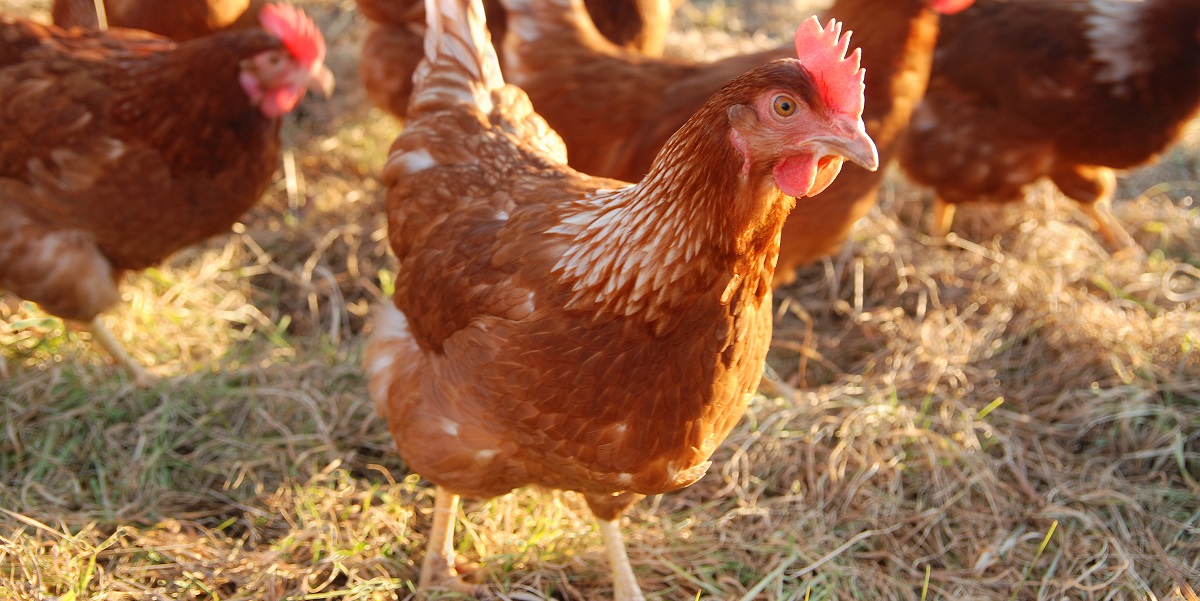
Avian influenza, also called bird flu, is an infection in birds caused by several strains of influenza A virus. Avian influenza is found in bird populations worldwide and some of these strains have spread from wild birds to domestic poultry. Some specific viruses (e.g. H5, H7 and H9 strains) have also spread from infected birds to humans, although this is usually rare.
In recent years, human cases have been reported in a limited number of countries, with most previous cases reported from China, Southeast Asia and Egypt, usually following exposure to avian species. However, human cases associated with international travel are very unusual. Check our Country Information pages for recent destination specific news and outbreaks.
In humans, avian influenza symptoms vary, depending on the virus strain. Symptoms range from a mild flu like illness, sometimes with conjunctivitis (red, sore, discharging eyes), diarrhoea and abdominal pain, to a severe respiratory illness with breathing difficulties and pneumonia. Human infections may be fatal.
Prevention
Human infections are mainly associated with direct contact with infected birds or through indirect contact (contact with body fluids, including blood or bird droppings) in places where infected birds have been kept (e.g. poultry farms, bird markets). Transmission from human to human is very infrequent.
Close, prolonged contact with an infected bird is usually needed for bird flu to spread to humans, so all travellers should:
- Avoid visiting live bird and animal markets and poultry farms and do not touch wild or domestic birds (alive or dead).
- Avoid any contact with bird droppings, feathers and nests.
- Do not eat or handle undercooked or raw poultry, egg or duck dishes.
- Wash hands regularly with soap and water or use alcohol-based hand rubs when washing facilities are not available.
Seek prompt medical advice if you become ill with severe breathing difficulties within 10 days of travel to any country affected by avian influenza outbreaks.
The seasonal flu vaccine available in the UK from September/October each year will not prevent infection with avian influenza viruses.
Antiviral medications may be used, after specialist advice, to treat cases or suspected cases of avian influenza.
See UK Health Security Agency website for more information on avian influenza.
Resources
Explore more
Rabies
Rabies is transmitted to humans usually by a bite or scratch from an infected animal (usually a dog) and almost always fatal once symptoms appear
Yellow fever
Yellow fever is a viral disease transmitted by mosquitoes causing a spectrum of disease from mild to severe symptoms
Zika virus
Zika virus infection is spread by day-biting mosquitoes
West Nile virus
West Nile virus (WNV) is a type of flavivirus (like dengue or Zika) that can cause a potentially serious infection in humans
Typhoid fever
Typhoid infection is acquired through contaminated food or water
Recent Avian influenza (bird flu) Outbreaks
Influenza A(H5N1) in New Zealand
On 15 July 2026, the first detection of avian influenza A(H5N1) in New Zealand was reported in a seabird (brown skua). The government of New Zealand has advised risk to the public is low. Please see our Topics in Brief article for further details on avian influenza.
Influenza A(H9N2) in Italy ex Senegal
On 10 April 2026, the World Health Organization reported the first imported human case of avian influenza A(H9N2) in Italy. The case was in an adult returning from Senegal. This is also the first imported human case of avian influenza A(H9N2) reported in the European Region. Please see our Topics in Brief article for further details on avian influenza.
Influenza A(H7N7) in Taiwan
On 3 April 2026, it was reported that the first locally acquired human case of avian influenza A(H7) in Taiwan has been identified as avian influenza A(H7N7). Please see our Topics in Brief article for further details on avian influenza.
Influenza A(H5N5) in USA
On 21 November 2025, local health authorities in Washington State, USA, reported a fatal, laboratory-confirmed avian influenza A(H5N5) infection in an older adult with underlying health conditions, who had contact with backyard domestic birds. This is the first human infection with this variant reported worldwide and the result was confirmed by the US Centers for Disease Control and Prevention (CDC). Please see our Topics in Brief article for further details on avian influenza.